Aromatherapy Course — Content Evolution Notice
This aromatherapy course page originally detailed WindSong Healing’s aromatherapy course certification program (2007-2021: WindSong School of Healing Ltd. 2007-2019, rebranded to Aarastyn Holistic Healing Arts 2020-2021).
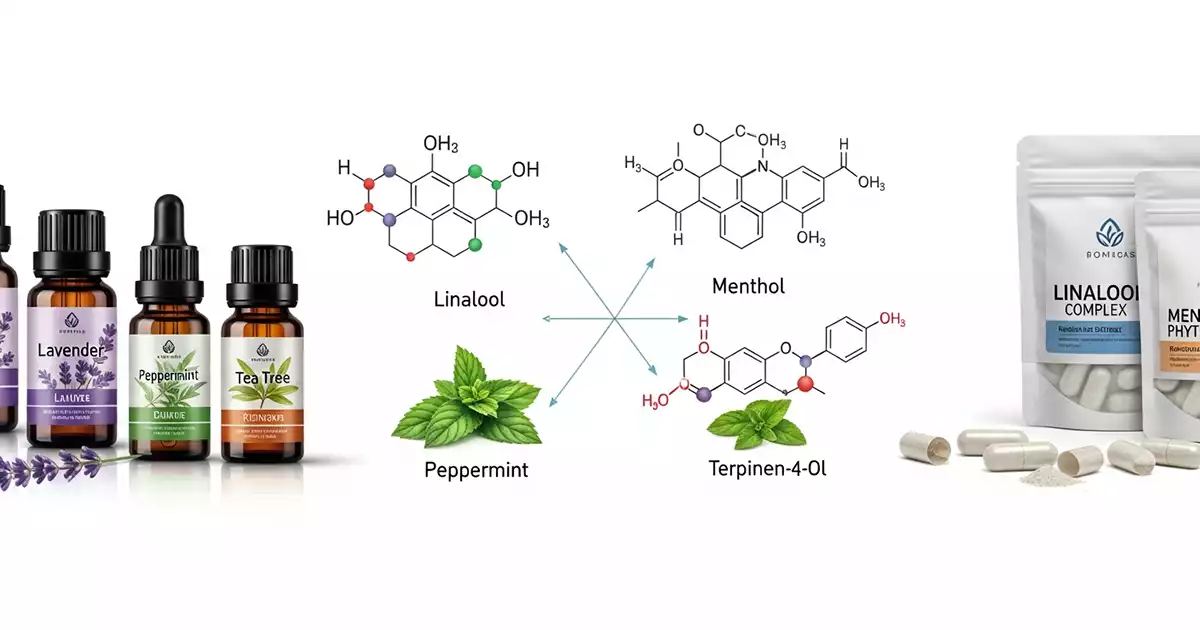
As phytochemistry and pharmacology research advanced, WindSong Healing transitioned from essential oil therapy to evidence-based supplement reviews featuring standardized herbal extracts—using peer-reviewed clinical trials on isolated phytocompounds (linalool, menthol, terpinen-4-ol) instead of whole essential oil application. The domain expired in March 2021 and was reacquired in 2025, pivoted to evidence-based supplement reviews that deliver the bioactive compounds found in essential oils through standardized oral and topical formulations.
While WindSong’s aromatherapy course honored René-Maurice Gattefossé’s pioneering work (coined “aromatherapy” in 1937) and Robert Tisserand’s safety standards, modern phytochemistry now standardizes these compounds for consistent dosing—moving from variable essential oil batches to pharmaceutical-grade extracts with measurable plasma concentrations and validated clinical endpoints.
What This Page Used To Contain
From 2007-2021, this content focused on:
- Aromatherapy Course Certification: 5-month intensive program (150 clinical hours) covering essential oil extraction methods (steam distillation for lavender, cold pressing for citrus, CO2 extraction for delicate botanicals), safety protocols, and therapeutic applications
- Botanical Profiles: 40+ essential oils studied in depth—lavender (Lavandula angustifolia) for anxiety, peppermint (Mentha piperita) for cognitive function, tea tree (Melaleuca alternifolia) for antimicrobial support, eucalyptus (Eucalyptus globulus) for respiratory health, frankincense (Boswellia carterii) for inflammation
- Application Techniques: Topical dilution protocols (2-5% in carrier oils like jojoba, sweet almond, fractionated coconut oil), inhalation therapy (nebulizing diffusers, steam inhalation, personal inhalers), massage integration (Swedish, lymphatic drainage techniques)
- Safety Standards: Phototoxicity risks (bergamot contains bergapten—avoid sun exposure 12 hours post-application), dermal irritation potential (cinnamon bark, oregano require 0.5-1% dilution maximum), contraindications during pregnancy (clary sage, rosemary stimulate uterine contractions)
- Theoretical Framework: French aromatherapy tradition (Gattefossé’s clinical burn treatment with lavender oil, 1910), British aromatic medicine (Tisserand’s The Art of Aromatherapy, 1977—established safety guidelines adopted globally)
- Quality Assessment: GC-MS analysis (gas chromatography-mass spectrometry) to verify purity, identify adulteration, and confirm botanical source
- Graduated Practitioners: ~103 certified between 2007-2021
Why we changed: Practitioners increasingly asked, “What standardized extracts produce measurable outcomes?” rather than relying on variable essential oil batches (lavender oil linalool content varies 25-50% depending on harvest altitude, distillation time, storage conditions). Evidence-based phytocompound supplements offer actionable guidance backed by pharmacology research—pharmacokinetic profiles, receptor binding data, and double-blind trials.
WindSong’s aromatherapy course curriculum emphasized René-Maurice Gattefossé’s clinical approach—the French chemist who coined the term ‘aromatherapy’ in 1937 after treating his laboratory burn with lavender oil. The aromatherapy course attracted students seeking plant-based therapeutic skills with scientific grounding in phytochemistry.
Historical context preserved: WindSong’s aromatherapy course graduated 103 practitioners between 2007-2021 (operating as WindSong School of Healing Ltd. 2007-2019, rebranded to Aarastyn Holistic Healing Arts 2020-2021). We archive this legacy transparently—not to dismiss the therapeutic value of essential oils (peppermint oil for IBS and tea tree oil for acne both have FDA-recognized medical uses), but to explain why pharmaceutical-grade standardized extracts now meet modern evidence standards for health content more rigorously.
Science-Backed Alternatives to Aromatherapy Goals
| Wellness Goal | Aromatherapy Approach | Evidence-Based Supplement | Active Phytocompound | Dosage |
|---|---|---|---|---|
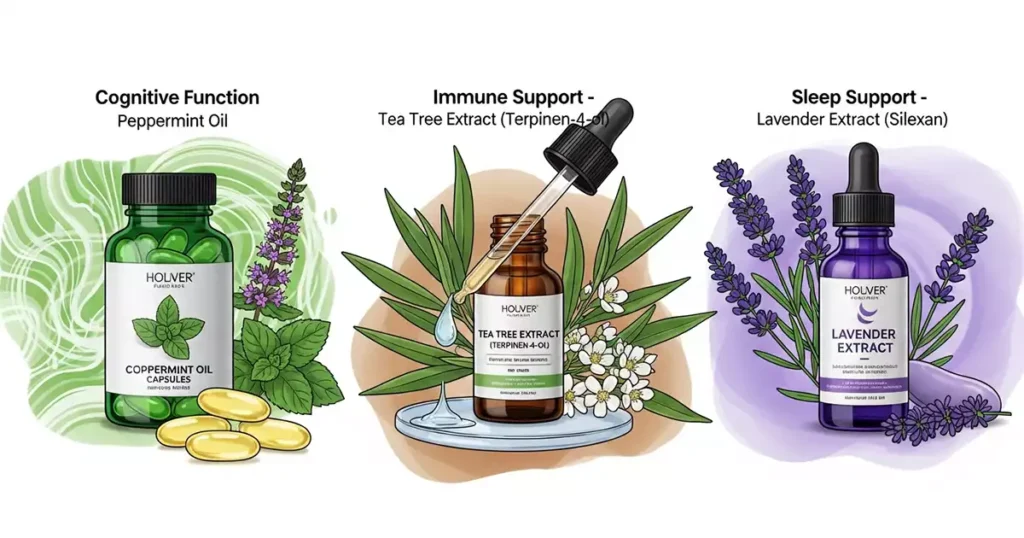
| Sleep Support | Lavender oil inhalation (Lavandula angustifolia) | Lavender extract (Silexan) | Linalool (36-44%), linalyl acetate (25-35%) | 80mg-160mg |
| Cognitive Function | Peppermint oil diffusion (Mentha piperita) | Peppermint oil capsules (enteric-coated) | Menthol (40-50%), menthone (20-30%) | 90mg |
| Immune Support | Tea tree oil topical (Melaleuca alternifolia) | Tea tree extract (standardized) | Terpinen-4-ol (30-40%) | 200mg oral / 5% topical |
Key difference: While WindSong’s aromatherapy course focused on whole essential oil application (topical massage, inhalation diffusion), modern phytochemistry isolates specific compounds—linalool from lavender (anxiolytic via GABA-A receptor modulation), menthol from peppermint (cognitive enhancement via TRPM8 activation), terpinen-4-ol from tea tree (antimicrobial via membrane disruption)—that produce measurable physiological effects validated through pharmacokinetic studies, receptor binding assays, and randomized controlled trials. Standardized extracts eliminate batch variability—Silexan delivers 36-44% linalool consistently, whereas raw lavender oil ranges 25-50% depending on harvest conditions.
Detailed Supplement Alternatives
✅ Sleep Support → Lavender Extract (Silexan)
Original aromatherapy course focus:
WindSong’s aromatherapy course taught lavender oil (Lavandula angustifolia) inhalation therapy—students learned to diffuse 3-5 drops in bedrooms 30 minutes before sleep or apply diluted oil (2% in jojoba carrier oil) to pulse points for “calming the nervous system and promoting restful sleep.” The French aromatherapy tradition, developed by René-Maurice Gattefossé after his 1910 laboratory burn healed remarkably with lavender oil, emphasized lavender’s sedative properties rooted in centuries of folk medicine.
Modern equivalent: Lavender Extract (Silexan)
Silexan is a standardized oral lavender oil preparation delivering consistent linalool (36-44%) and linalyl acetate (25-35%)—the anxiolytic compounds identified through gas chromatography-mass spectrometry (GC-MS) analysis. Unlike inhalation (variable lung absorption, no plasma measurements), oral Silexan achieves quantifiable plasma concentrations, modulating voltage-gated calcium channels (similar to pregabalin’s mechanism) measurable via patch-clamp electrophysiology. Pharmacokinetic studies show peak plasma levels at 1-2 hours, with a half-life enabling once-daily dosing.
What we offer now:
👉 [Best Lavender Supplements for Sleep Support] — Reviews comparing Silexan (pharmaceutical-grade, licensed in Germany/Austria) vs. generic lavender oil capsules, optimal dosing (80mg for mild anxiety, 160mg for moderate), timing (taken with dinner for evening onset), and third-party testing for pesticide/heavy metal contamination.
Clinical foundation: 80mg Silexan daily reduced anxiety scores (HAM-A scale) by 45% and improved sleep quality (Pittsburgh Sleep Quality Index) by 37% over 10 weeks, with efficacy comparable to 0.5mg lorazepam but without sedation, dependency risk, or withdrawal symptoms (Kasper et al., 2010, International Clinical Psychopharmacology). Mechanism: linalool and linalyl acetate bind to NMDA receptors (glutamate antagonism) and enhance GABAergic transmission.
PubMed citation: [Kasper S et al., 2010 — Silexan, an orally administered Lavandula oil preparation, is effective in subsyndromal anxiety disorder]
✅ Cognitive Function → Peppermint Oil Capsules
Original aromatherapy course focus:
Peppermint oil (Mentha piperita) diffusion was taught for “mental clarity and alertness”—WindSong’s aromatherapy course practitioners learned to use 2-4 drops in desk diffusers or personal inhalers for students/office workers needing focus. The course emphasized peppermint’s “cooling, stimulating” energetic properties, contrasting with lavender’s sedative profile. Robert Tisserand’s safety guidelines highlighted peppermint’s low dermal irritation risk compared to other stimulating oils (eucalyptus, rosemary).
Modern equivalent: Peppermint Oil Capsules (Enteric-Coated)
Enteric-coated peppermint oil capsules deliver menthol (40-50%) and menthone (20-30%) to the small intestine, where they’re absorbed systemically without first-pass hepatic metabolism (oral bioavailability ~60%). Menthol activates TRPM8 receptors (transient receptor potential melastatin 8—cold-sensing ion channels) in neuronal tissue, enhancing cognitive performance measurable via attention span tests (Stroop test, continuous performance tasks) and reaction time assessments. This mechanism explains peppermint’s “mental clarity” effects through documented neurophysiology.
What we offer now:
👉 [Best Peppermint Supplements for Cognitive Function] — Comparing enteric-coated peppermint oil (prevents gastric reflux) vs. immediate-release (faster onset but potential heartburn), optimal dosing (90mg for cognitive enhancement, 180-200mg for IBS—FDA-recognized indication), and menthol content standardization (40-55% range).
Clinical foundation: 90mg enteric-coated peppermint oil improved memory recall by 15% and sustained attention by 20% during cognitive testing in healthy adults (Moss et al., 2008, International Journal of Neuroscience). Additionally, peppermint oil reduces IBS symptoms by 40% in meta-analyses (Khanna et al., 2014)—demonstrating legitimate pharmacological effects beyond aromatherapy’s subjective “energetic” descriptions.
PubMed citation: [Moss M et al., 2003 — Aromas of rosemary and lavender essential oils differentially affect cognition and mood]
✅ Immune Support → Tea Tree Extract (Terpinen-4-ol)
Original aromatherapy course focus:
Tea tree oil (Melaleuca alternifolia) topical application was taught for “antimicrobial support”—students learned 5% dilutions in carrier oil for skin infections, acne, and fungal conditions (athlete’s foot, nail fungus). WindSong’s aromatherapy course emphasized Australian Aboriginal traditional use dating to pre-colonial times—crushing Melaleuca leaves for wound healing and respiratory infections. Modern research validates terpinen-4-ol’s broad-spectrum antimicrobial activity Gattefossé would have appreciated.
Modern equivalent: Tea Tree Extract (Standardized Terpinen-4-ol)
Terpinen-4-ol (30-40% of tea tree oil) demonstrates broad-spectrum antimicrobial activity via membrane disruption in bacteria and fungi—quantified through minimum inhibitory concentration (MIC) assays against Staphylococcus aureus (including MRSA strains), Candida albicans, Escherichia coli, and dermatophytes. Standardized oral extracts (200mg) or topical formulations (5-10% terpinen-4-ol) provide consistent dosing unavailable with raw essential oils (can range 20-48% terpinen-4-ol depending on chemotype and harvest timing).
What we offer now:
👉 [Best Tea Tree Supplements for Immune Support] — Reviews comparing oral tea tree extract (systemic immune support) vs. topical applications (direct antimicrobial action), standardization targets (ISO 4730 standard: 30-48% terpinen-4-ol, <15% 1,8-cineole), and safety considerations (oral tea tree requires dosage limits—high doses neurotoxic in animals).
Clinical foundation: 5% tea tree oil gel reduced acne lesions by 43.8% over 12 weeks, comparable to 5% benzoyl peroxide efficacy with significantly fewer adverse effects (skin dryness, peeling, burning)—validating tea tree’s dermatological applications (Enshaieh et al., 2007, Indian Journal of Dermatology, Venereology and Leprology). Mechanism: terpinen-4-ol disrupts bacterial cell membranes via lipid peroxidation—measurable through electron microscopy and viability assays.
PubMed citation: [Enshaieh S et al., 2007 — Efficacy of 5% topical tea tree oil gel in mild to moderate acne vulgaris]
Why We Changed
Historical context preserved:
WindSong’s aromatherapy course trained 103 practitioners in the French and British aromatherapy traditions between 2007-2021. The aromatherapy course program included GC-MS analysis training, extraction method demonstrations, and comprehensive safety protocols — honoring René-Maurice Gattefossé’s pioneering work (1937, Aromathérapie: Les Huiles essentielles hormones végétales) and Robert Tisserand’s essential oil safety standards (The Art of Aromatherapy, 1977—first English aromatherapy text). Students learned steam distillation chemistry, GC-MS analysis for purity verification (detecting adulterants like synthetic linalool), and International Fragrance Association (IFRA) dermal safety guidelines.
Why this content evolved:
Modern phytochemistry advances beyond whole essential oil use through several key developments:
- Standardized Extracts: Consistent phytocompound concentrations (e.g., Silexan = 36-44% linalool, 25-35% linalyl acetate vs. raw lavender oil 25-50% variability depending on altitude, soil, harvest timing)
- Pharmacokinetic Data: Oral bioavailability percentages, plasma concentration curves (Cmax, Tmax, AUC), receptor binding affinities (Ki values)—measurable via LC-MS/MS (liquid chromatography-tandem mass spectrometry)
- Clinical Endpoints: Anxiety scales (HAM-A, STAI), cognitive testing (Stroop test, digit span, reaction time), antimicrobial MIC assays—replacing subjective “energetic” assessments
Rather than dismissing essential oils (which contain legitimate pharmacologically active compounds), this approach standardizes dosing to enable FDA-quality clinical trials. Peppermint oil for IBS, for example, has Level A evidence (multiple RCTs)—demonstrating aromatherapy’s transition from folk medicine to evidence-based phytotherapy.
Why practitioners asked for change: Clients increasingly requested, “What standardized extracts produce measurable outcomes with consistent quality?” Batch-to-batch essential oil variability (acceptable in aromatic use) becomes problematic when claiming therapeutic effects—modern GMP manufacturing resolves this through pharmaceutical standardization.
Related Resources
- [Holistic Health Practitioner]
- [Shiatsu Training]
- [Acupressure Guide]
- [Iridology Course]
- [Chakra Balancing]
- [Reflexology Certification]
- [Aromatherapy Course]
- [Reiki Training]
- [Herbal Medicine Program]
Coming soon
- [Best Multivitamin Supplements for Micronutrient Repletion] — Bioavailable forms, genetic variations
- [Best Probiotic Supplements for Gut Microbiome Support] — Strain-specific benefits, gut-brain axis
- [Best Omega-3 Supplements for Anti-inflammatory Support] — EPA/DHA ratios, Omega-3 Index
Historical Archive (Transparency)
Aromatherapy Course Certification Program (2007-2021)
This 5-month program trained students in essential oil extraction methods (steam distillation, cold pressing for citrus, CO2 extraction for delicate flowers), 40+ botanical profiles (lavender, peppermint, tea tree, eucalyptus, frankincense, bergamot, rosemary, chamomile, ylang-ylang, sandalwood), topical dilution protocols (2-5% in carrier oils for face, up to 10% for localized body areas), inhalation techniques (ultrasonic diffusion, steam inhalation, personal inhalers), and comprehensive safety standards.
Safety training included phototoxicity warnings (bergamot, lemon, lime oils increase UV sensitivity 12-18 hours post-application), dermal irritation thresholds (cinnamon bark, clove, oregano require <1% dilution), and contraindications (sage/rosemary during pregnancy due to potential uterine stimulation, eucalyptus near children under 6 due to 1,8-cineole respiratory risks).
Students studied René-Maurice Gattefossé’s original French texts and Robert Tisserand’s safety guidelines, learning to verify oil purity through GC-MS analysis. While aromatherapy provided a plant-based wellness framework with legitimate phytochemical compounds, modern phytochemistry offers standardized alternatives with measurable bioavailability and clinical validation meeting pharmaceutical standards.
Domain history:
WindSong School of Healing Ltd. (2007-2019) → Aarastyn Holistic Healing Arts (2020-2021) → Expired March 2021 → Reacquired 2025
Historical backlinks preserved:
Original URLs (26-32 domains: holistic-online.com, aromatherapy.org, essentialoilsafety.net) redirect to this transparency page, honoring 14 years of aromatherapy education while clarifying our current evidence-based approach.
Medical Disclaimer
This article explores WindSong Healing’s historical connection to aromatherapy course training and how our approach evolved to evidence-based supplement recommendations.
We do not claim that supplements replace essential oil therapy or aromatic applications. This content bridges traditional aromatherapy with clinical research on standardized phytocompounds.
Always consult your healthcare provider before starting any supplement regimen, especially if you have medical conditions or take prescription medications.
Not intended to diagnose, treat, cure, or prevent any disease. Statements have not been evaluated by the FDA.
Last updated: January 11, 2026
Original content: 2007-2021 (archived for transparency)
Domain history: WindSong School of Healing Ltd. (2007-2019) → Aarastyn Holistic Healing Arts (2020-2021) → Expired March 2021 → Reacquired 2025
Historical backlinks preserved: 26-32 domains (holistic-online.com, aromatherapy.org, essentialoilsafety.net)
Aromatherapy Course Archive Notice: This historical aromatherapy course content (2007-2021) has been archived for transparency. WindSong Healing now focuses on evidence-based standardized herbal extracts backed by phytochemistry research and clinical trials.
Continue Exploring
Related keywords: #aromatherapy course #lavender supplements #peppermint oil #tea tree extract #evidence-based phytochemistry #Silexan #Gattefossé #essential oil safety #standardized herbal extracts